

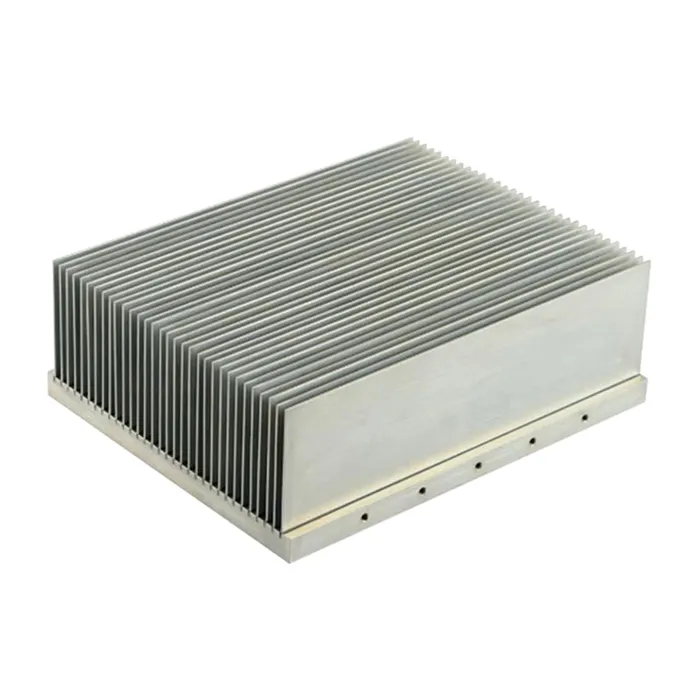
Heatsink

Overview
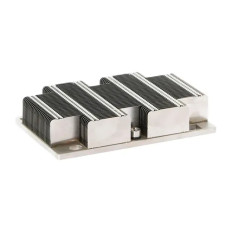
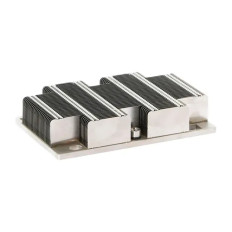
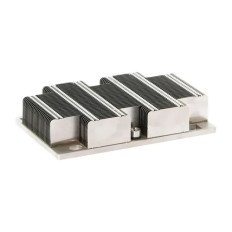
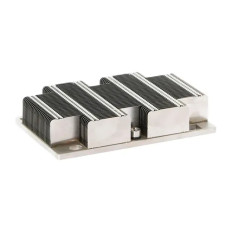
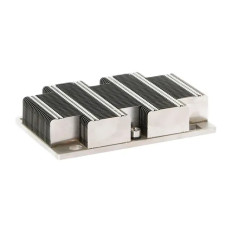
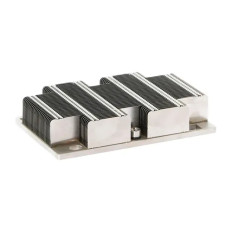
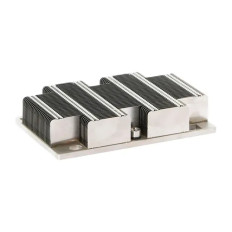
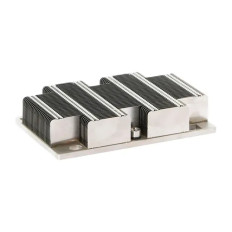
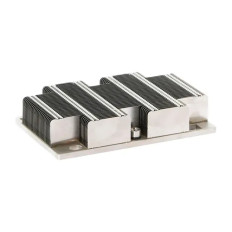
Heatsinks are critical cooling components designed to dissipate heat generated by processors, GPUs, and other electronic components. They play a vital role in maintaining optimal operating temperatures and ensuring system stability.
Key Features
Heatsinks are typically made of materials like aluminum or copper, which efficiently conduct heat away from components. Many designs include fins to increase surface area and improve heat dissipation. Some heatsinks are paired with fans for enhanced cooling performance.
Explore categories
Use Cases
- Server and data center cooling
- Desktop and workstation systems
- Gaming and high-performance computing
- Industrial and embedded systems
Benefits
A high-quality heatsink prevents overheating, improves system reliability, and extends the lifespan of hardware components. It is essential for maintaining consistent performance under heavy workloads.
Why Buy from GotoDirect
GotoDirect offers durable and efficient heatsinks compatible with various systems. Customers benefit from reliable products, competitive pricing, and expert support.
FAQ's
Q1: What is the purpose of a heatsink?
It dissipates heat from electronic components to prevent overheating.
Q2: Do all systems need a heatsink?
Yes, most processors and high-performance components require cooling.
Q3: What is the difference between passive and active heatsinks?
Passive heatsinks rely on airflow, while active ones include fans for additional cooling.