

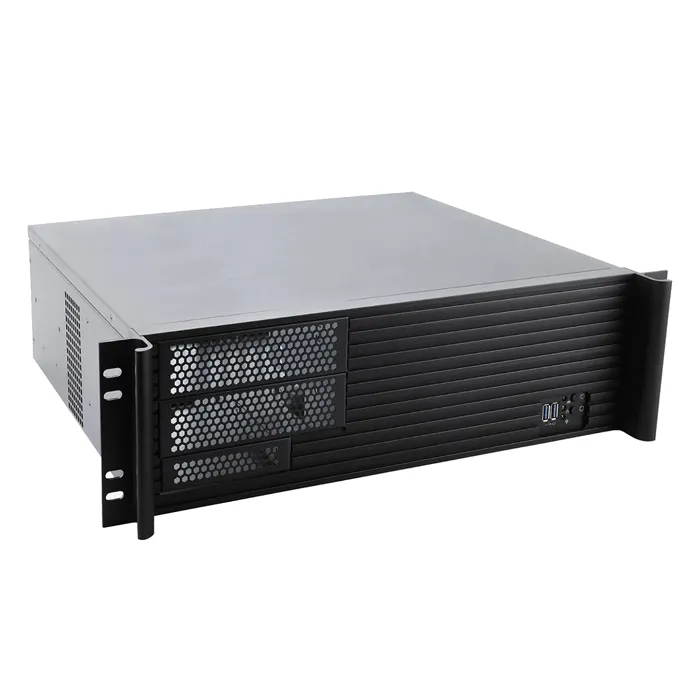
Server Chassis

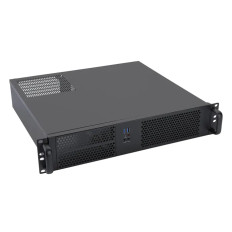
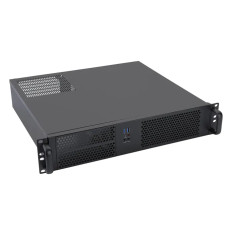
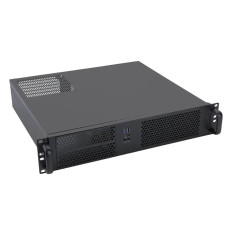
Buy Server Chassis Online in the USA: Make the Best Choice for your System
Need to buy a server chassis online in the USA? Want to construct a high-end data center, install a custom server, or expand your current infrastructure? Selecting the proper server chassis is key. A good server chassis not only safeguards your equipment but also guarantees efficient airflow, scalability, and ease of maintenance. And with so many choices available—rackmount, tower, blade, mini, and many others—it can be daunting. Don't fret! This guide will lead you through it all, starting with what a server chassis is and continuing through how to select the best one for your purposes.
What Are Server Chassis and Why Are They Critical for Your Data Center?
What is a Server Chassis?
A server chassis, or server case or server rack chassis, is the metal case that contains all the internal components of a server—motherboard, drives, power supplies, fans, and so on. It's the skeleton that keeps everything in place securely and allows for good airflow.
Why are Server Chassis Important?
They guard sensitive hardware, offer effective cooling, and allow for maintenance. In the server chassis market, you can find a wide range of options, including rackmount server chassis, tower server chassis, and blade server chassis. The choice you make affects your server's performance, lifespan, and scalability.
For instance, a ruggedized server chassis or a high-density storage server chassis provides durability in harsh conditions. In contrast, an effective server chassis with adequate cooling provisions can prevent hardware failure and overheating.
How to Select the Best Server Chassis Online in the USA for Your Enterprise Requirements?
How to Buy the Best Server Chassis Online in the USA?
Begin by evaluating your particular requirements: Are you creating a small office server or an extensive data center? Are you looking to achieve high performance or cost-effectiveness? The ideal server chassis for data centers typically provides scalability, longevity, and superior cooling functionality.
Some of the most important things to take into account are:
- Size and form factor: A 1U, 2U, 4U, or bigger chassis is what you may require. Dimensions are critical—refer to the 2u server chassis size and 1u server chassis dimensions to suit your hardware.
- Compatibility: Check that it is compatible with your server components—motherboards, drives, and power supplies.
- Cooling features: A server chassis with cooling support, hot-swap features, and an optimized airflow design should be sought.
- Build quality: Strong server chassis front panels and premium materials safeguard your investment.
- Price and availability: Buy server chassis online from trusted retailers such as Goto Direct, with economical rackmount server chassis and competitive server chassis prices.
Pro tip: Be sure to compare various server chassis vendors and models, like Supermicro server chassis, Dell chassis server, or Cisco UCS blade server chassis, to determine the best one for your budget and requirements.
What Are the Key Features to Consider in a Top-Rated Server Chassis?
Why is a Server Chassis Top-rated?
A top-rated server chassis must possess the following key features:
- Hot swap capability: Easy replacement of drives without a server shutdown.
- Cooling capability: More than one fan, vents, and airflow design to avoid overheating.
- Modular architecture: Expansion can be done easily with extra drives or components.
- Server component compatibility: Compatible with different server component chassis, such as U.2 server chassis, NVMe, or GPU server chassis.
- Security features: Lockable front panels and tamper-proof design.
Examples:
- A 4U server chassis, such as a Rosewill 4U server chassis, is highly scalable.
- The 2U rack-mount server chassis is ideal for medium-density deployments, offering excellent cooling support.
Why Is Compatibility with Your Server Components Important When Purchasing a Server Chassis?
What is a Server Chassis?
It's not only a matter of size but also of compatibility—supporting your motherboard, drives, power supplies, and cooling solutions.
Why is Compatibility Important?
Incompatible server cases may result in such problems as inadequate airflow, hardware installation issues, or even hardware damage. For instance, the selection of a blade server chassis diagram or chassis for a blade server without looking into them can result in installation issues.
How to Maintain Compatibility?
- Check the supported motherboard form factors such as ATX, E-ATX, or mini-ITX.
- Check for drive bays—do you require a 24-bay server case or a 16-bay server case?
- Check for support for your CPU, GPU, and storage configurations.
Where to Find the Most Reliable and Affordable Server Chassis in the USA?
Searching for the Top Server Chassis for Data Centers or Bespoke Solutions?
Reliable online retailers such as Goto Direct provide a broad range of server chassis available for purchase in the USA, from high-end, long-lasting, and cost-effective rackmount server chassis.
Best sources are:
- Amazon (for second-hand server chassis and cheap options).
- Direct suppliers such as server chassis companies.
- Specialty retail shops selling custom server chassis—ideal for custom solutions such as water-cooled server chassis or high-density storage server chassis.
Tip: Check customer reviews and ratings—such as Rosewill server chassis reviews or TGC rack mountable server chassis reviews—to make sure you're purchasing the optimal server chassis for your requirements.
How to Determine the Right Size and Form Factor for My Server Chassis?
What are the Different Types of Server Chassis?
- 1U, 2U, 3U, 4U, and 5U rackmount chassis: The U refers to rack units, with 1U being 1.75 inches high.
- Tower server chassis: Standalone, suitable for small offices or home labs.
- Blade server chassis: Modular, optimized for high-density and enterprise environments.
How to choose?
- For space-efficient setups, a 1U or 2U server chassis is ideal.
- For high-density storage, look for 24 24-bay or 36-bay server chassis.
- For easy maintenance and expandability, consider a rackmount case like the Silverstone RM52 5U rackmount server chassis.
What Are the Benefits of Purchasing a High-Quality Server Chassis Online?
Why Buy a Server Chassis Online?
- Convenience: Access to a wide range, competitive prices, and reviews in one location.
- Cost-effectiveness: Greater bargains on quality server chassis with cooling capacity and longevity.
- Variety: From basic maintenance server chassis front panels to unusual choices such as water-cooled server chassis.
- Customization: Customized 2U metal server chassis and other customized options are provided by popular vendors.
Advantages are:
- Increased hardware lifespan.
- Improved airflow and cooling, minimizing downtime.
- Facilitated maintenance and upgrades.
How to Evaluate the Security and Cooling Features of a Server Chassis?
Why are these features important?
Because they have a direct impact on the reliability of the hardware and the security of the operations.
What to check for?
- Cooling support: Different fans, airflow design, support for crash-ranged hot swap server chassis.
- Security features: Front panels that can be locked, a tamper-proof design, and options for chassis lock.
- Build quality: Robust server front panels made of the chassis, excellent quality of materials, and proper ventilation.
Example in real life:
A superior-quality server chassis with adequate cooling support, such as the Athena Power RM-4U8G525 GPU server chassis, will prevent overheating during high workloads, ensuring steady operation.
What Are the Common Mistakes to Avoid When Buying Server Chassis Online?
Avoid the following pitfalls:
- Overlooking compatibility: Always check for support of your motherboard, drives, and hardware.
- Overlooking cooling support: Ensure good airflow design and fans.
- Selecting a chassis based on existing needs and ignoring future requirements: Select a future-expandable, high-performance server chassis.
- Overlooking quality ratings: Check reviews, particularly on websites such as Rosewill server chassis reviews or TGC rack mountable server chassis reviews.
Not taking into account security features: Locking panels and tamper-resistant solutions are essential.
How Can You Future-Proof Your Investment with the Right Server Chassis?
What is a server chassis?
It's an investment. Future-proof by selecting a high-quality server chassis that has hardware upgrade capability, e.g., extra drives, GPUs, or cooling systems.
Tips:
- Select a 4U or bigger rackmount server chassis with scalability.
- Choose a chassis with hot swap server chassis support.
- Explore customizable server chassis solutions for customized future upgrades.
What Are the Current Trends in Server Chassis Technology in the USA?
Get ahead with:
- Water-cooled server chassis: For high-density, high-performance applications.
- Modular server chassis: Simple to upgrade or reconfigure.
- High-density storage server chassis: For enterprise and big data requirements.
- High-performance server chassis with enhanced cooling support: With liquid cooling solutions.
How to Install and Maintain Your Server Chassis for Best Performance?
Installation advice:
- Pay close attention to the manufacturer's instructions.
- Provide good airflow and cooling support.
- Implement lockable front panels for protection.
Maintenance advice:
- Clean fans and filters regularly.
- Check temperature and airflow.
- Update firmware and hardware when necessary.
Why Customer Reviews and Ratings Are Important While Purchasing a Server Chassis Online?
Reviews offer real-life information regarding durability, ease of installation, cooling support, and security functionality. For instance, Rosewill 4u server chassis reviews or Rosewill rsv-r4000u 4u server chassis reviews can assist you in finding the best server chassis for your requirements.
Comparing Top Brands and Models of Server Chassis Available in the USA
| Brand | Feature | Best For |
| Supermicro | High-density, customizable | Data centers, enterprise |
| Rosewill | Affordable, reliable | Small business, labs |
| Dell | Industry leader, durable | Enterprise, high-performance |
| Cisco UCS | Blade server chassis, scalable | Large-scale deployments |
| Chenbro | Cost-effective, versatile | Small to medium setups |
Final Tips for Purchasing the Best Server Chassis Online in the USA: Expert Advice
- Clearly define your needs: Size, scalability, cooling, security.
- Purchase from reliable sources: Goto Direct, Amazon, or dedicated server chassis manufacturers.
- Compare features in detail: Search for server cases with hot swap, good cooling support, and security features.
- Read reviews: Look for extensive customer feedback and ratings, such as Rosewill server chassis reviews.
- Look to the future: Select a chassis that can accommodate your future hardware upgrades.
Frequently Asked Questions
Q1: What is a server chassis?
A: A server chassis is the physical enclosure that houses all server components, crucial for protection, cooling, and maintenance.
Q2: What are the different types of server chassis?
A: They include rackmount, tower, blade, mini, and high-density storage chassis.
Q3: What is the difference between a server rack and a chassis?
A: A rack is the structure that holds multiple chassis, while the chassis is the case that houses individual servers.
Q4: What is the difference between a chassis and a blade server?
A: A chassis is the enclosure, while a blade server is a modular server that fits into a chassis designed for high-density deployment.
Q5: What are the four types of chassis?
A: Rackmount, tower, blade, and mini chassis.
Q6: What are the three types of servers?
A: Entry-level, tower, rackmount, and blade servers.
Q7: What is the most commonly used server?
A: The rackmount server is most common in data centers.
Q8: What are the four name servers?
A: This question refers to various server roles, including DNS, mail, web, and database servers.
Q9: What is a Blade server?
A: A blade server is a modular server designed to fit into a chassis for high-density, scalable deployments.