

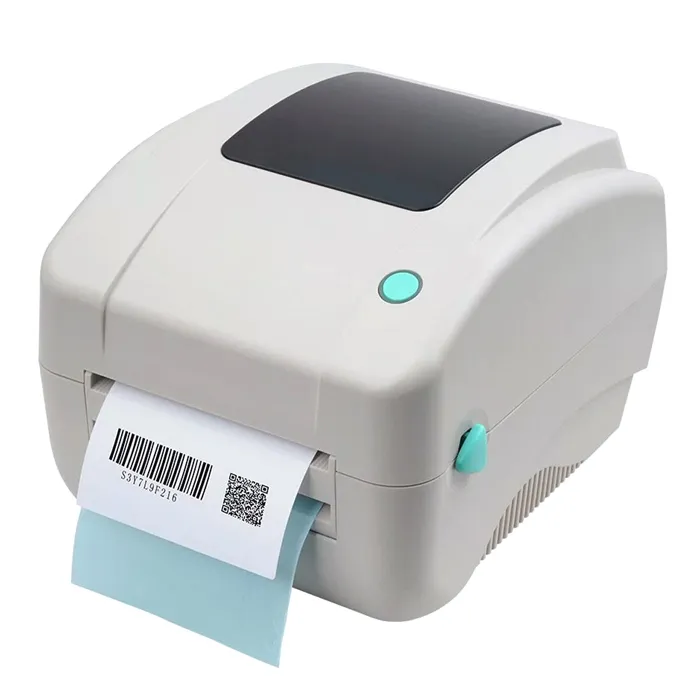
Label Printers

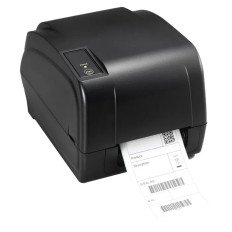
Overview of Label Printing Technology
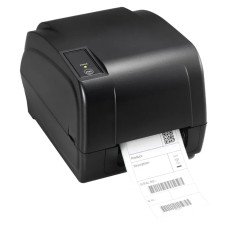
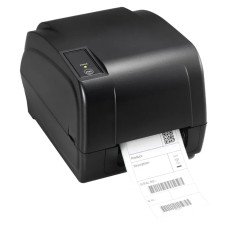
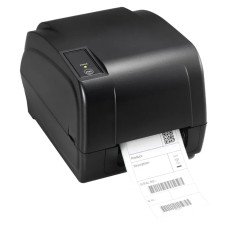
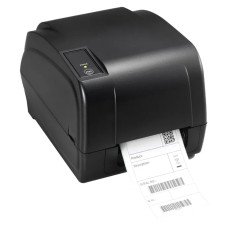
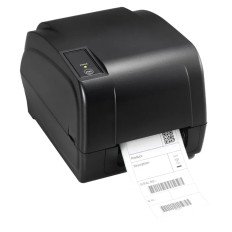
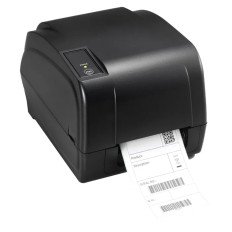
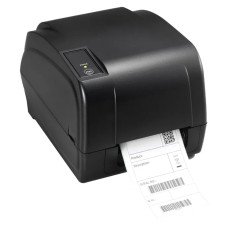
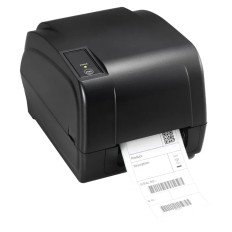
Label printers are specialized devices designed for printing self-adhesive labels used in identification, tracking, and information display. They serve retail, logistics, warehousing, healthcare, manufacturing, and office environments. These printers produce durable labels for barcodes, inventory tags, asset tracking, shipping, and compliance marking. Robust construction, fast output, and integration with business systems make label printers essential tools in automated workflows.
Primary Printing Methods
There are two main label printing technologies:
- Direct Thermal: Uses heat-sensitive label stock that darkens where heated. They require no ink, toner, or ribbon, which simplifies maintenance. While ideal for short-life applications like shipping labels, these can fade over time if exposed to heat or sunlight.
- Thermal Transfer: Uses a heated printhead to melt solid wax or resin ribbons onto label media. This produces durable, long-lasting prints that resist abrasion, chemicals, and environmental exposure—perfect for asset tags and industrial use.
Form Factors and Use Cases
Label printers vary in size and capability depending on the environment:
- Desktop Label Printers: Compact units suited for office, retail, and small business use. They support moderate print volumes and typically connect via USB or Wi-Fi.
- Industrial Label Printers: Built for high-volume environments, offering rugged frames, high print speeds, and expanded connectivity like Ethernet.
- Portable Label Printers: Designed for mobility, these are ideal for "on-the-go" applications like shelf labeling and mobile inventory management.
Connectivity and System Integration
Modern label printers are built to talk to your existing tech stack. Standard interfaces include USB, Ethernet, Bluetooth, and Wi-Fi, with many models supporting mobile printing from tablets and smartphones. Integration with inventory management, POS, and warehouse systems allows for automatic label generation based on real-time scanned data.
Print Resolution and Clarity
Print resolution is measured in dots per inch (dpi) and directly influences barcode scannability:
- 203 dpi: Standard for most shipping and retail labels.
- 300 to 600 dpi: High-density printing for sharper text, detailed graphics, and small, high-precision barcodes.
Media Handling and Versatility
To reduce waste and increase uptime, these printers feature adjustable guides and sensors for accurate feeding. They support various media types:
- Formats: Roll or fan-fold stock; continuous or die-cut labels.
- Features: Some units include "peel-and-present" mechanisms that partially peel the label for easy manual application.
Barcode Standards and Software
Label printers often have native support for major barcode standards, including UPC, Code 39, Code 128, QR codes, and GS1 formats. While many come with built-in fonts and templates for standalone use, they are also compatible with advanced label design suites for complex industrial needs.
Durability and Maintenance
In demanding environments, uptime is everything. Features like rugged feed paths, user-replaceable printheads, and intuitive control panels help reduce downtime. Furthermore, automated calibration and media detection simplify the setup process to ensure consistent output quality.
Summary
Label printers deliver precision printing for identification, tracking, and compliance. Their range of technologies, connectivity features, and media handling options make them adaptable across industries. Whether utilizing direct thermal for shipping or thermal transfer for industrial tags, these printers remain the backbone of efficient labeling workflows.