

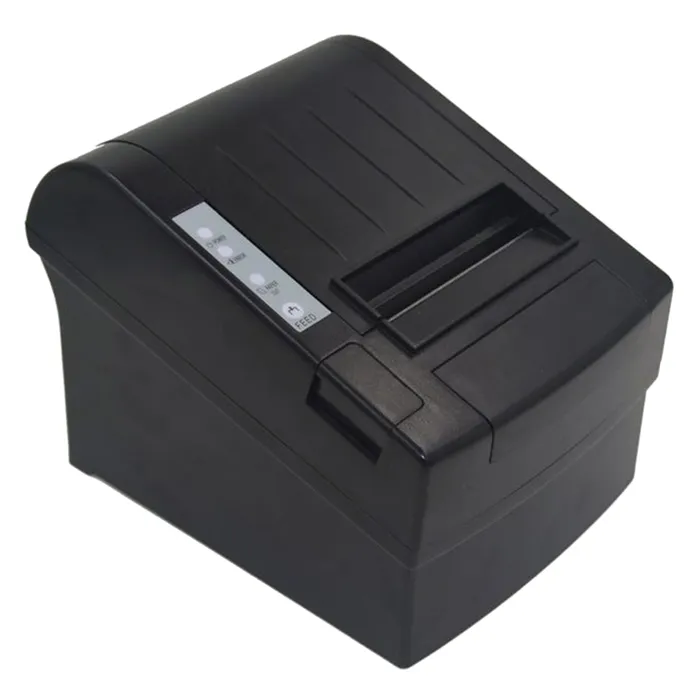
Thermal Printers

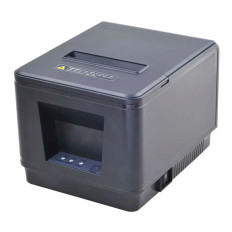
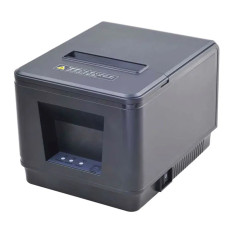
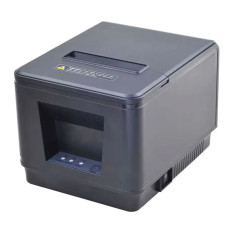
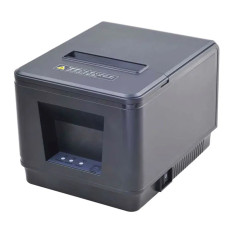
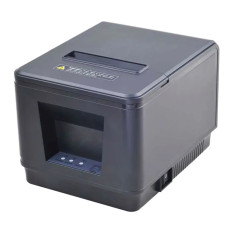
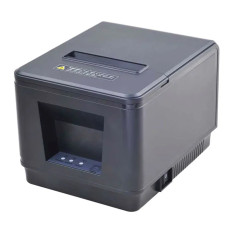
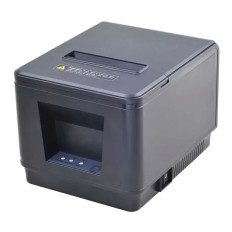
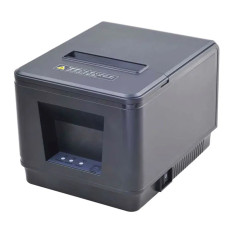
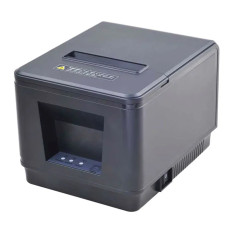
Introduction to Thermal Printing
Thermal printers produce printed output by selectively heating specially coated thermal paper. Unlike inkjet or laser technologies that require ink, toner, or ribbons, thermal printers rely on heat and heat-sensitive media to form images and text. This method eliminates consumables like ink cartridges, making thermal printers cost-effective, low-maintenance, and ideal for high-volume environments such as retail, hospitality, ticketing, and logistics.
Primary Printing Methods
There are two primary thermal printing methods: direct thermal and thermal transfer.
- Direct Thermal Printing: Heats the paper itself, causing the coating to darken where heat is applied. This process yields fast, quiet printing and is commonly used for receipts, shipping labels, and admission tickets. The simplicity of direct thermal design leads to fewer moving parts and reduced service needs.
- Thermal Transfer Printing: Uses a heat-activated ribbon of wax, resin, or a blend. The ribbon transfers ink onto the media, producing durable, long-lasting prints that resist smudging, moisture, and light. Thermal transfer is preferred for labels, asset tags, and applications requiring extended durability.
Key Performance Features
One of the defining features of thermal printers is their high print speed. Many models exceed 200mm/second, enabling rapid receipt production during peak periods. Additionally, quieter operation enhances the user experience in customer-facing environments such as checkout counters and transport terminals.
Connectivity and Integration
Thermal printers support a range of connectivity options to fit various workflows:
- Wired: USB and Serial (RS-232).
- Networked: Ethernet and Wi-Fi for office or warehouse deployment.
- Mobile: Bluetooth and Wi-Fi Direct for portable POS systems and tablets.
Furthermore, these printers often support multiple command languages, such as ESC/POS, ensuring compatibility with a wide range of software platforms and operating systems.
Print Quality and Resolution
Print resolution, measured in dots per inch (dpi), impacts output clarity. Common resolutions like 203 dpi balance speed and quality for general receipts, while higher models (300 dpi or more) produce sharper text and barcodes, significantly improving scan reliability.
Durability and Maintenance
Thermal printers are engineered for continuous operation. Robust printheads, efficient paper handling, and automatic cutter mechanisms contribute to uptime. Maintenance is simplified due to minimal consumables; direct thermal models only require paper rolls, while thermal transfer models use easy-to-replace ribbons.
Conclusion
In summary, thermal printers combine speed, reliability, and low maintenance. Their versatility in receipts, ticketing, and label printing makes them a core component of modern logistics and point-of-sale infrastructure.